Pharmacy Updates

8 Symptoms Of Diabetes In Children To Watch Out For!
Description of news

Recognizing the signs early is critical for managing Type 1 or Type 2 diabetes in kids. If you notice these symptoms, it is important to consult a pediatrician immediately. Extreme Thirst: Your child may drink much more water than usual and still feel thirsty. Frequent Urination: You might notice more bathroom trips, or a child who was toilet-trained starts wetting the bed again. Unexplained Weight Loss: Losing weight despite eating more is a classic warning sign. Extreme Hunger: Because the body can't use sugar for energy, the child feels constantly hungry. Fatigue: Feeling unusually tired, weak, or lethargic all the time. Blurry Vision: High blood sugar levels can pull fluid from the lenses of the eyes, making it hard to focus. Fruity-Smelling Breath: A sweet or "fruity" odor on the breath can indicate a serious complication called ketoacidosis. Irritability: Sudden mood changes, restlessness, or unusual behavior can be triggered by fluctuating blood sugar.

Pharmacy Updates

The nose drops plays a big role in breathing and smell.

Description of news

Why Nose Drops Matter for Breathing and SmellYour nose is the gateway to your respiratory system. When it’s blocked, it doesn't just make breathing difficult—it impacts your entire quality of life. Restoring Airflow: Inflammation or mucus can block the nasal passages. Targeted nose drops reduce swelling, allowing for deeper, more natural "nose breathing," which filters and warms the air before it reaches your lungs.Reclaiming Your Sense of Smell: Your olfactory receptors (responsible for smell) are located high up in the nasal cavity. When passages are swollen, odor molecules can't reach these sensors. Clearing the path helps bring back your sense of smell and taste.Preventing Sinus Pressure: By keeping the passages open, nose drops help drain the sinuses, preventing the painful pressure and headaches that come with congestion.Better Sleep: Clear breathing through the nose reduces snoring and helps you achieve a deeper, more restful night's sleep.

Pharmacy Updates

Normal Body Temperature for Babies: A Complete Guide for Parents

Description of news

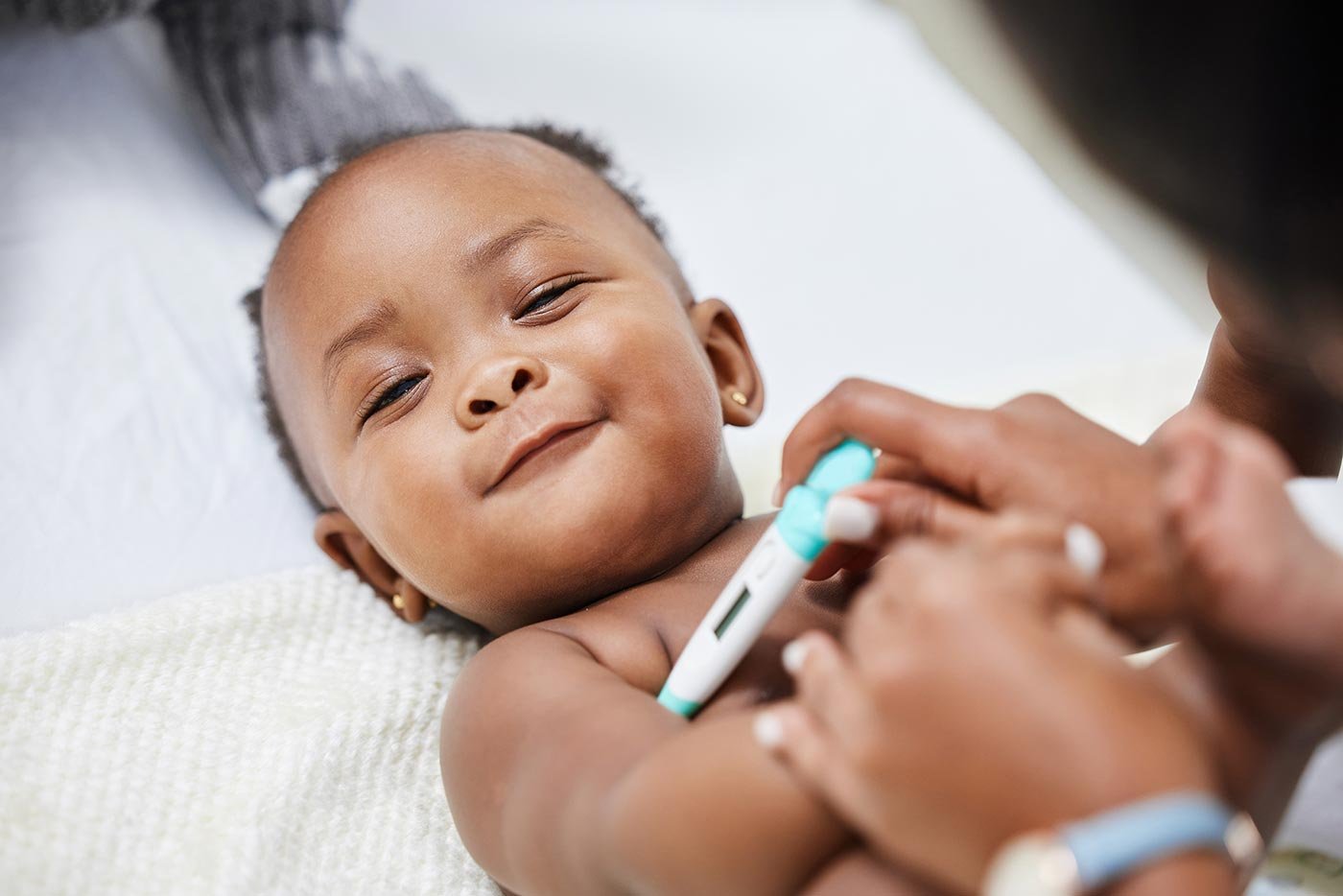
Normal Body Temperature for Babies Knowing your baby’s normal temperature helps you act quickly when they aren't feeling well. What is Normal? Average: 36.4°C (97.5°F) Normal Range: 36.4°C to 37.5°C (97.5°F to 99.5°F) When is it a Fever? A temperature of 38°C (100.4°F) or higher is considered a fever. How to Check: Under 3 Months: Use a rectal thermometer for the most accuracy. Over 6 Months: Ear (tympanic) or forehead (temporal) thermometers work well. Any Age: An underarm (axillary) check is easiest for a quick look but is less precise. Red Flags: If a baby under 3 months hits 38°C (100.4°F), call a doctor immediately. Watch for unusual fussiness, poor feeding, or a very hot chest/back.

Pharmacy Updates

Blue Baby Syndrome in Infants: Causes, Symptoms & Treatment

Description of news

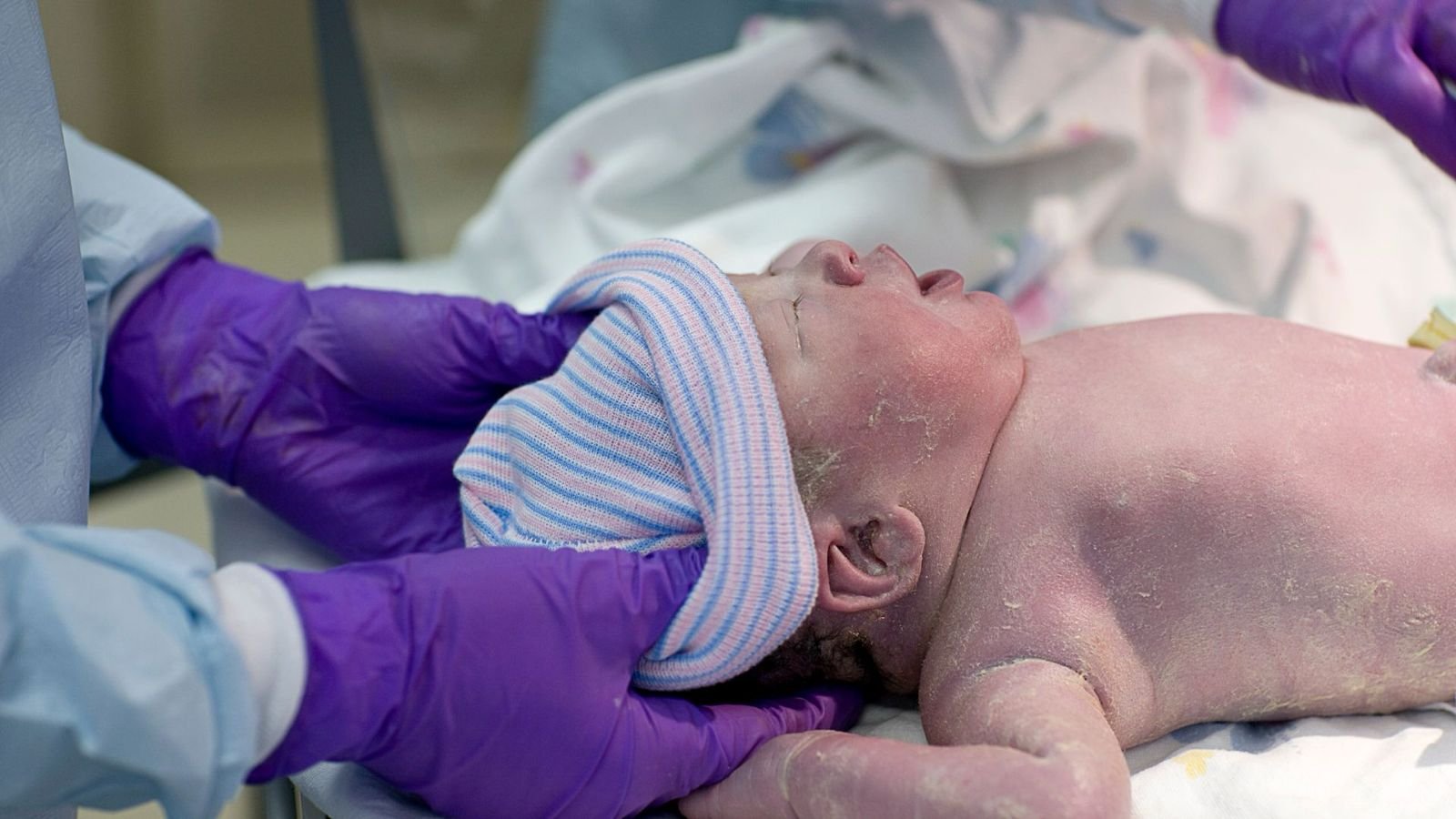
Blue Baby Syndrome (methemoglobinemia) occurs when an infant’s blood cannot carry enough oxygen, causing the skin to take on a bluish tint. Common Causes Nitrates in Water: High levels of nitrates in well water (often from fertilizer runoff) can interfere with oxygen transport in babies. Congenital Heart Defects: Structural issues in the heart that mix oxygen-rich and oxygen-poor blood. Genetic Factors: Rare inherited conditions affecting blood enzymes. Key Symptoms Cyanosis: A distinct bluish or purplish tint to the skin, especially around the mouth, lips, and fingernails. Breathing Issues: Rapid breathing or shortness of breath. Lethargy: Extreme tiredness or lack of energy. Feeding Problems: Difficulty or lack of interest in feeding. Treatment Options Oxygen Therapy: Providing extra oxygen to help the baby breathe easier. Medication: Methylene blue is a common medicine used to treat nitrate-induced cases. Surgery: If caused by a heart defect, a surgical procedure may be required to repair the heart.